Barrier Systems – An Example from Askepott and Askeladden
Odd Wichmann, OIM
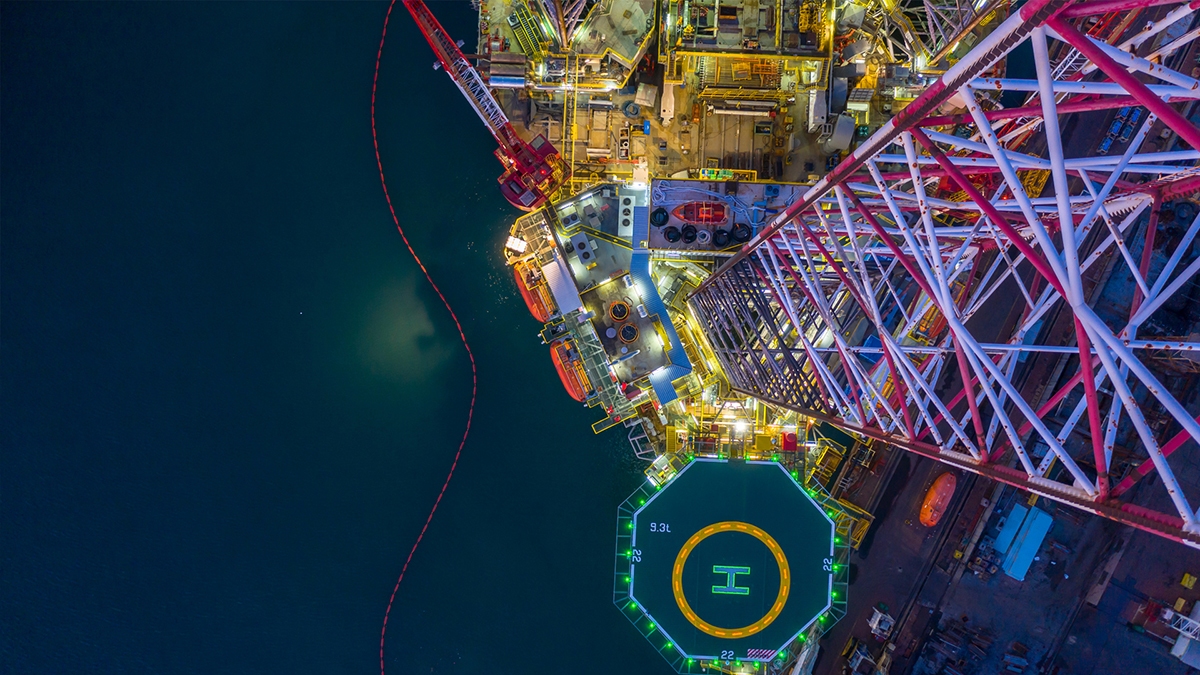
Drilling operations offshore require a high level of control and emergency preparedness.
We are operating our drilling units on “steel islands” far away from shore, and often with impassable obstacles between our rigs and the mainland. (The North Sea can be rough, especially during wintertime).
This means we will have to deal with and make sure we keep the rigs hospitable during any incidents or accidents that may occur.
All of Norway’s drilling for oil and gas is offshore, and this is the reason we have one of the most stringent safety regimes when it comes to drilling operations.
The best way to deal with incidents and accidents – is simply not to have them.
This means that you do whatever you can do to avoid them. However, if accidents happen we need to be prepared to deal with them as well.
This is also recognized in the Norwegian offshore regulations, and the regulations require us to have a tiered safety regime;
- Safe and robust operations which have stringent requirements for how we can operate on “sunny days” when things are normal.
- Barrier management systems that come into play when situations start to escalate from a normal situation and are moving towards a danger-, incident- or accident situation.
Basically, you can say that the “safe and robust” part of the regime is about preventing things from going wrong, and the “barrier” part is about how we deal with it if things are starting to go wrong.
Our barrier systems are primarily focused against Major Accident Hazards (MAH’s) (The scenarios which can cause several fatalities and injuries) and not the single person safety (slips, trips and falls).
The main contributor to MAH is well control. If we should get oil or gas release on the rig this could again lead to toxic gas release, fire, explosion, shut down of generators, and eventually degradation and collapse of the structure / rig itself.
Everyone in the industry works a lot on the “safe and robust” part of HSE, but we are required to focus on the barrier part of it as well.
Our barrier management systems can be described as who does what with which equipment we move from a normal operation and into a danger-, incident- or accident situation.
This question needs to be asked as the situation evolves:
- Who does what with which equipment to detect that we are moving away from normal?
- Who does what with which equipment to understand what is happening?
- Who does what with which equipment to decide what actions need to be taken?
- Who does what with which equipment to execute those actions?
The answers to these questions give us the different barrier elements we have available to deal with the specific situation:
- The “who” part gives us the organizational barrier elements. This is personnel with specific competencies and skills.
- The “does what” part gives us the operational barrier elements. These are the specific actions our people need to perform.
- The “which equipment” part gives us the technical barrier elements. These are the technical systems and equipment we need to control the situation.
When all of these barrier elements have been defined, barrier management is making sure that we know the status of our barriers, if they are intact and ready if they should be needed or if we have degradation that requires compensating measures.
The key message to us, as leaders, to make sure our barriers are intact is:
- Does our crew have the described competencies?
- Do we do all the drills and training – to make sure everyone knows what is required in a real situation?
- Are we maintaining and testing all the equipment which is part of our barriers?
This is what we can do, to make sure our people go home just as fit as when they came.
Download the article.
Want more QHSE?
Subscribe to our free quarterly newsletter for safety moments, field interviews, downloadable resources and more.