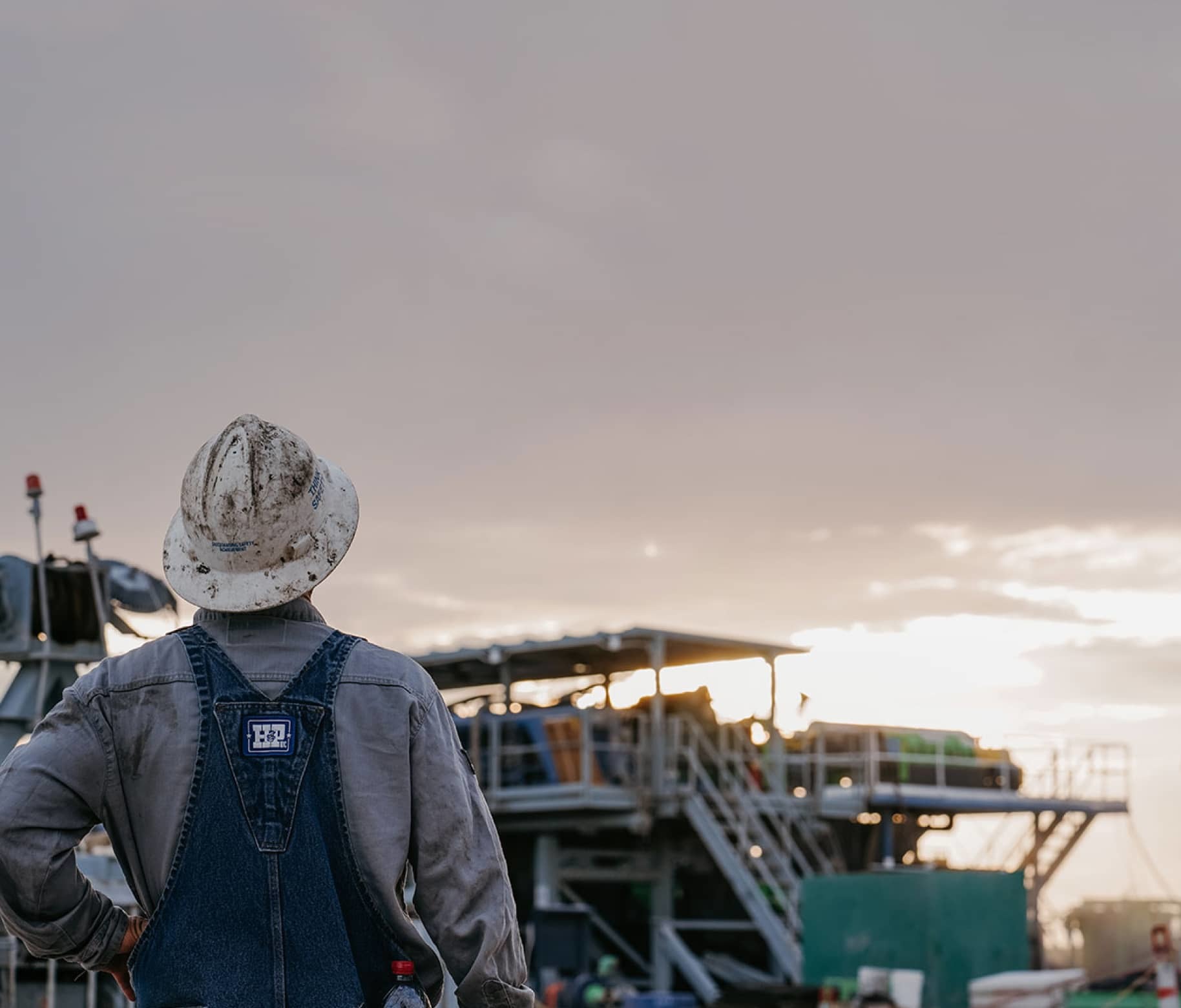
From Integration to Reactivation: The H&P Way in Saudi Operations
Rig reactivation is one of the most demanding phases in drilling operations.
It combines complexity and non-routine work – mobilization, inspections, crew readiness, commissioning and verification – often happening simultaneously.

In Saudi Arabia, we are currently reactivating several rigs while integrating two operating models. The work is progressing across multiple locations and teams, requiring strong process discipline and no room for uncertainty or exposure. In these conditions, the real test is not only technical readiness, but how effectively people align around one standard of execution.
Across the industry, more organizations are integrating teams and systems while ensuring that effective controls are in place. Our experience during rig reactivation in Saudi Arabia highlights a practical lesson: integration is not something you complete at the end of a project. It is something you operate through every day. As teams align processes, expectations and behaviors, the goal is clear; move from two ways of working to one consistent standard anchored in our values and The H&P Way.
One Standard for Execution
Early in the reactivation phase, teams brought different habits and expectations around how work should be prepared and executed. Rather than allowing those differences to continue, the focus shifted to one shared standard: Pre-Job Planning (PJP) as a consistent LifeBelt expectation.
Through PJP, teams aligned the scope of work, clarified roles and responsibilities, identified exposures and verified controls before execution. This was especially important in managing Serious Injury and Fatality (SIF) exposures associated with non-routine reactivation activities, where multiple interfaces, changing conditions and simultaneous operations can elevate risk. That shared discipline helped turn two approaches into one clearer way of working, strengthening handoffs and reducing uncertainty during critical reactivation activities.
This is what our values look like in practice. Do The Right Thing becomes the discipline to stop, verify and correct issues early before they become exposure, rework or a higher-consequence event. Service Attitude becomes proactive support to the risks in advance and close gaps before the rig reached location, giving field teams a rig and our customers through readiness and communication. Teamwork becomes shared ownership across projects, operations and HSE, especially at critical interfaces.
Day to day, teams also leaned on the Ideal Team Player mindset – Hungry, Smart and Humble. Hungry means stepping up when workload spikes. Smart means communicating effectively across functions, anticipating risks before they surface and ensuring controls are in place to control exposures. Humble means listening, learning and adjusting quickly as practices evolve into one stronger standard.
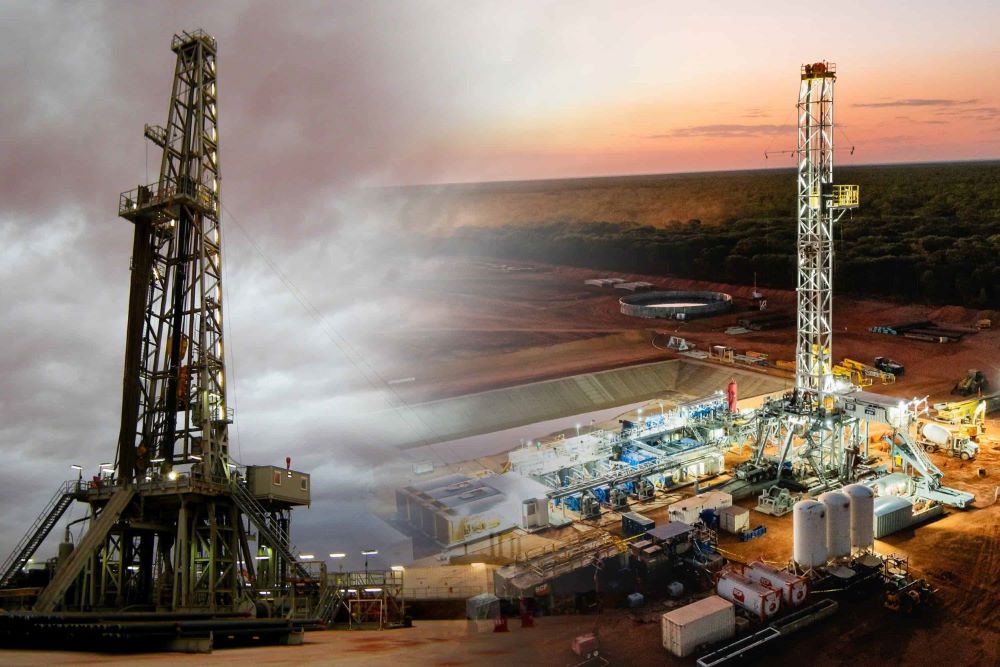
Building Readiness Before the Pace Accelerates
Another strong example is early preparedness – building readiness upstream so the rig is not waiting for critical HSE essentials once activity accelerates.
Before mobilization, teams worked together to review the first phase of execution, aligning priorities around crew readiness, inspection sequencing, permit systems, logistics and key safety controls. This early coordination helped identify interface clearer and more stable starting point.
That same mindset carried into inspection readiness. Teams assembled readiness packages ahead of key inspections, coordinating the overhaul, recertification and hydrotesting of critical life-saving equipment, including cascade systems, Gas Detection Systems (GDS), SCBAs, f ire extinguishers and fall-protection equipment. These efforts were supported by verified documentation packages, inspection checklists and training records for incoming crews.
By confirming these controls before mobilization, teams reduced delays, strengthened compliance and ensured inspections and commissioning could proceed without interruption. More importantly, they strengthened barriers against potential SIF events by making sure critical life-saving systems were functional, certified and ready before the work environment intensified. This is Actively C.A.R.E. in action – controlling and removing exposures through deliberate planning and verification.
Operational Confidence and Customer Relevance
Reactivation naturally creates urgency, making process discipline essential to maintaining safe and predictable execution. Multiple work fronts, tight timelines and constant adjustments can easily push teams toward shortcuts if discipline is not maintained.
Even under pressure, the fundamentals remain constant:
- Pre-job alignment before critical tasks and the use of iCARE Cards, a pre-job planning tool adjusted for Saudi operations, to reinforce hazard awareness and critical control discussions at the point of work
- Clear isolations and permit verification
- Deliberate exposure identification
- No assumptions during operational handoffs
These fundamentals are not just good practice; they are essential controls for reducing SIF exposure during higher-risk, non-routine work.
Maintaining these disciplines protects people and protects the plan. Stable standards reduce surprises, prevent rework and keep operations moving forward safely.
As reactivation progresses, teams are also capturing lessons learned – identifying what improved readiness, what removed exposure and what prevented delays – and turning those insights into practical playbooks. That knowledge transfer ensures integration delivers long-term value, so each future reactivation benefits from stronger preparation, better coordination and the collective experience of teams working together under real operational conditions.
Ultimately, integration matters because it builds operational confidence. When systems, behaviors and expectations align, performance becomes more predictable – safer execution, fewer surprises and stronger outcomes for our customers.
In non-routine operations like rig reactivation, safe performance comes down to clear operational discipline: plan early, deliberately verify controls and execute with consistency. That is how integration strengthens operations and reinforces The H&P Way.
GET EXCLUSIVE
SAFETY RESOURCES
Our aim is to extend our commitment to safety beyond just our organization, empowering others to prioritize and enhance their safety practices too. We welcome you to join us on this journey. By following our updates, you’ll gain exclusive access to:
- Downloadable HSE Content
- Videos & Resources
- Free Rig Training Materials
- Safety Improvement Case Studies
- Monthly HSE Topics You Can Use For Free